Star Maps
How to Choose the Perfect Date for a Personalised Star Map
Everyone says "the day we met" — but that's not always the right answer. A practical guide to picking the date, time and place that'll mean the most on the wall.
By Alexa Monroe · 20 May 2026 · 3 min read
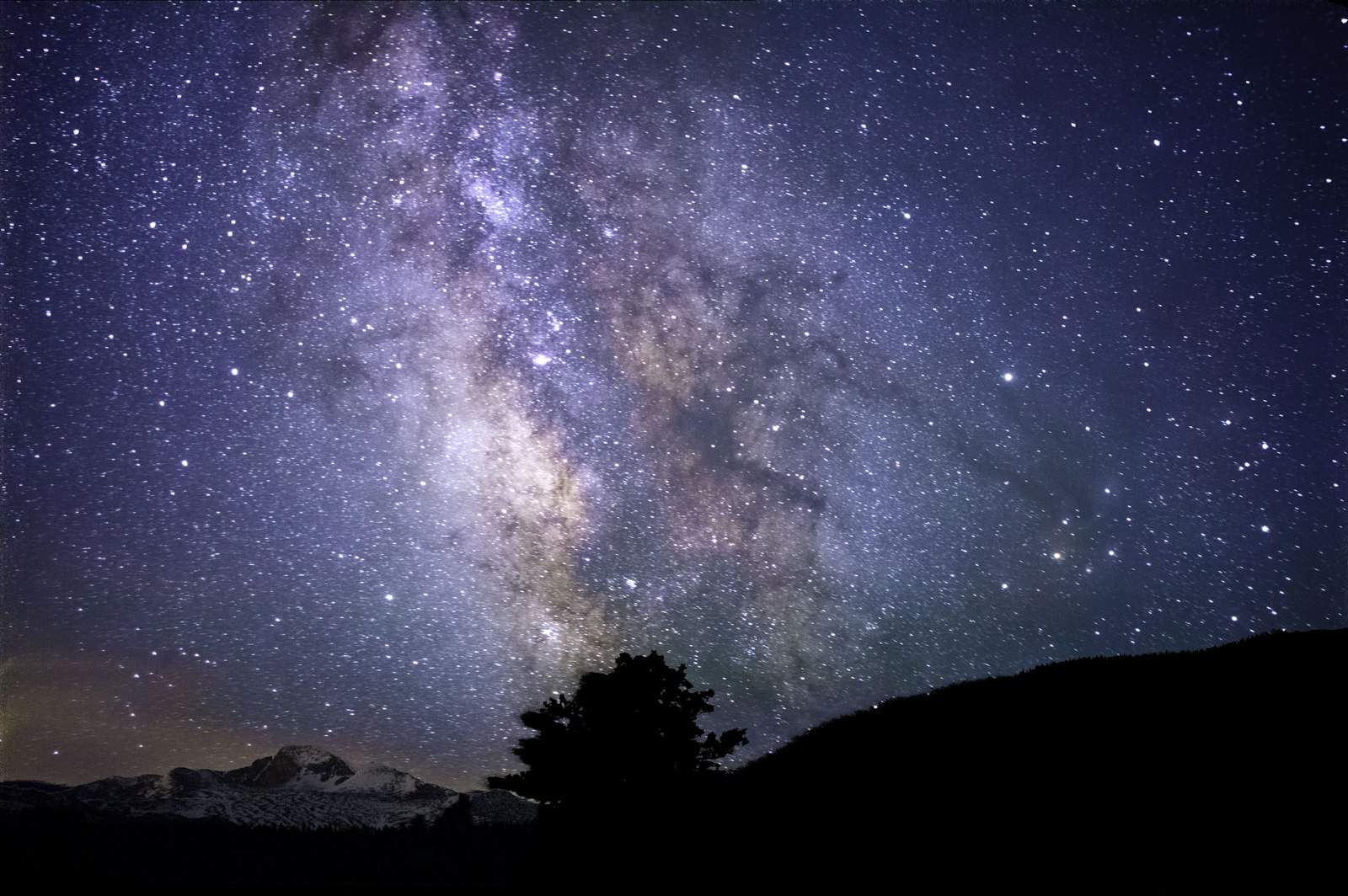
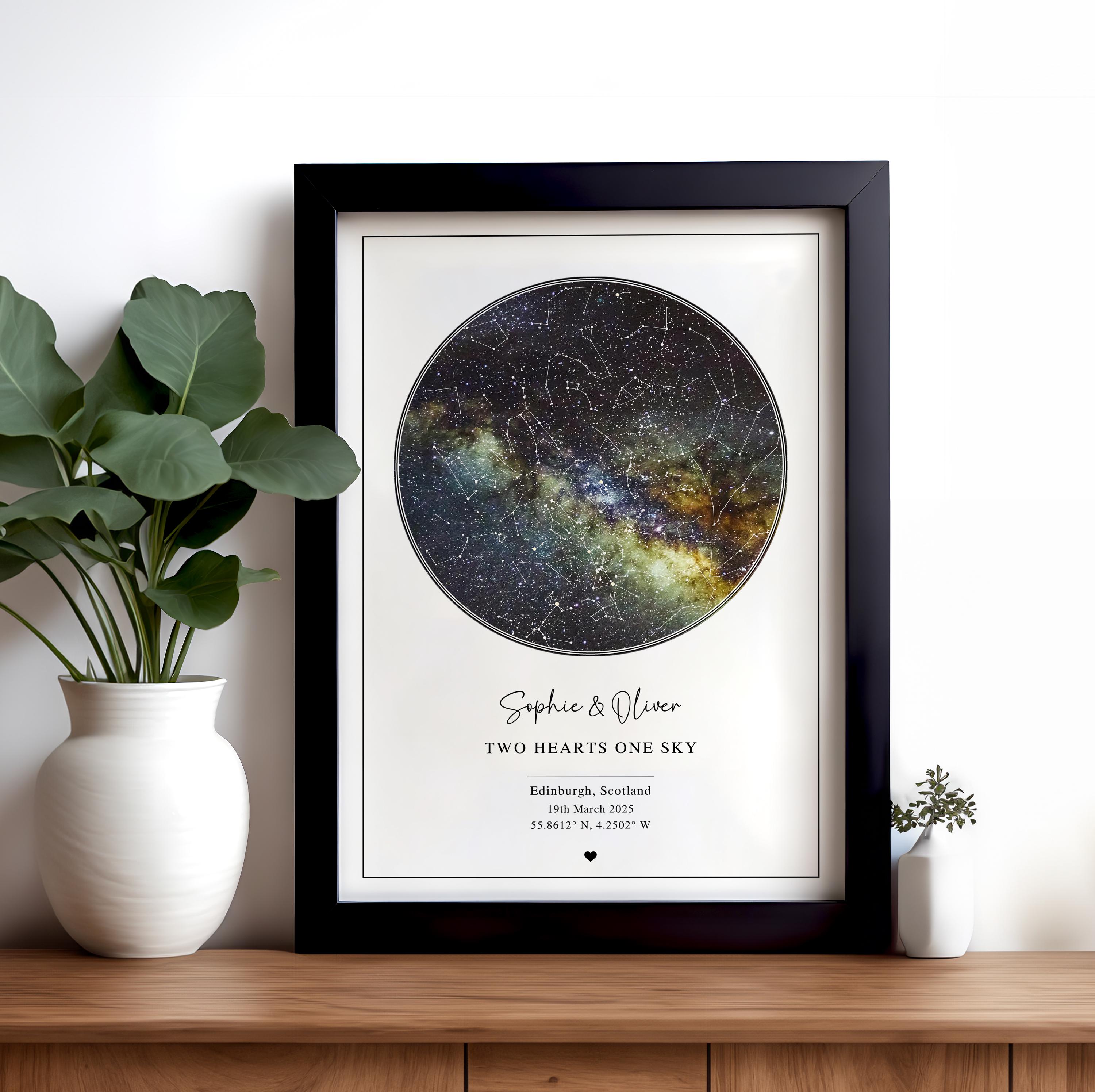
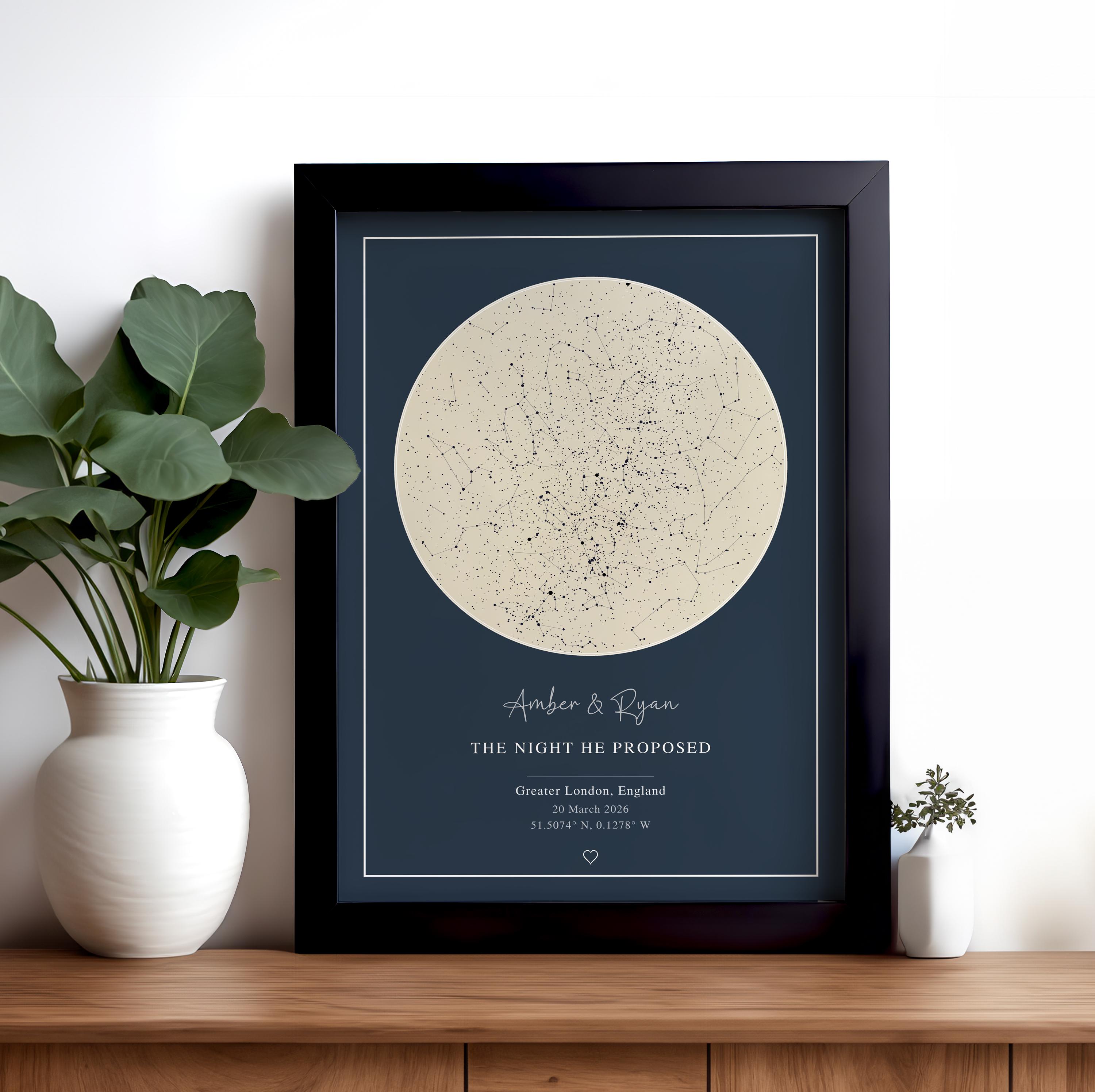
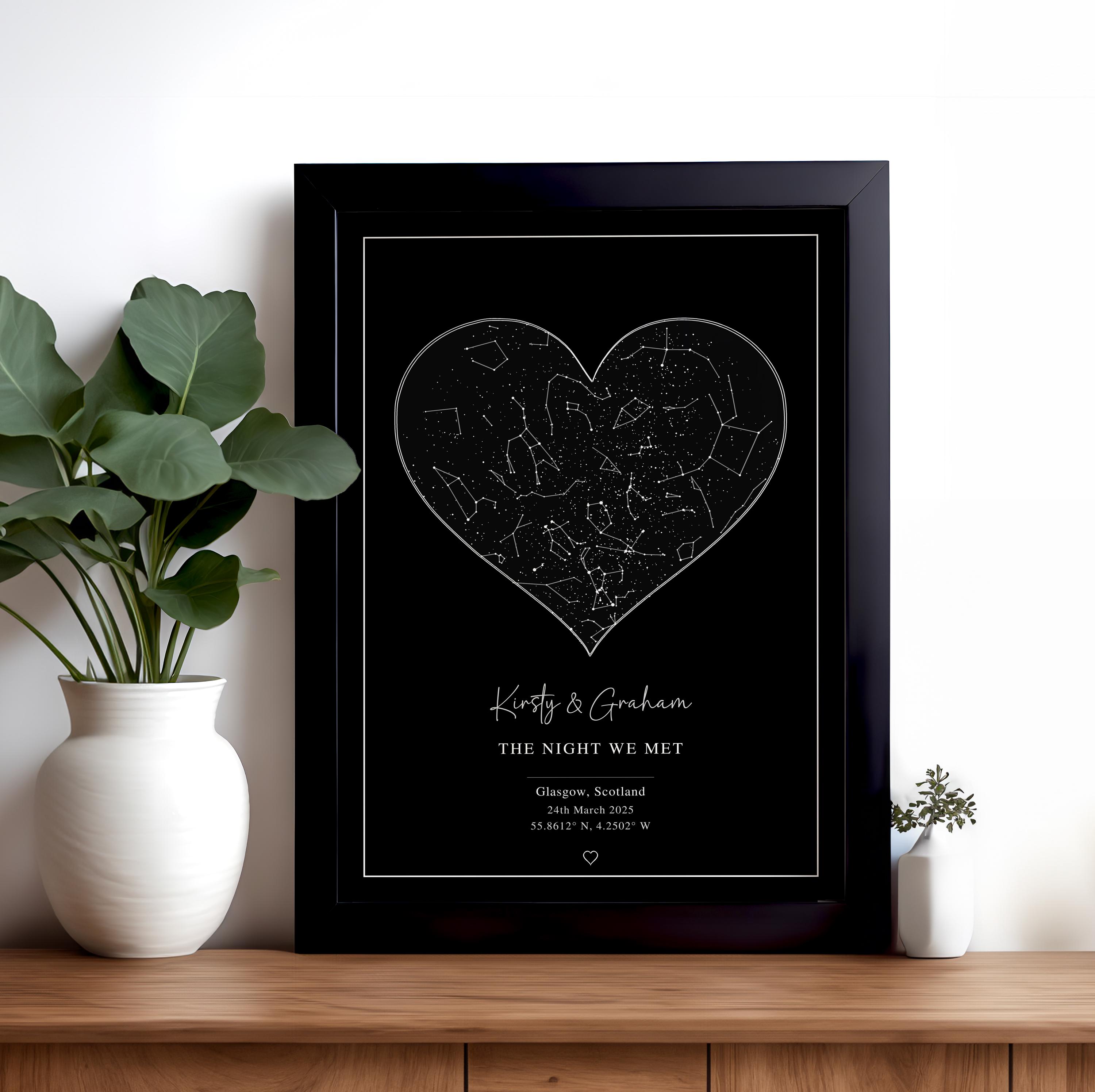
Every star map we make starts with three details: a date, a time, and a place. They're all required — the night sky on Tuesday 11 May 2021 at 10pm in Glasgow looks nothing like the same date at 4am in Sydney — and they're also the most-asked-about part of the order. People worry about getting them "right".
Here's the honest version: there's no objectively right answer. There's the answer that means the most to you and the person it's for, and there's everything else. But after making thousands of these, a few patterns repeat. This is what we'd tell a friend.
Start with what you want the print to say
A star map is a memory you can see. Before you pick the date, decide which memory. Some that come up again and again:
- The night you got engaged — including the exact time, because the sky changes fast.
- Your wedding night — late evening after the reception, not the ceremony itself.
- The day your child was born — set to the time on the birth certificate.
- The night you first said "I love you" — couples remember this with surprising precision.
- A first date that turned into the rest of it.
- The night you moved into your first home together.
- The date you lost someone you want to keep close — a star map of the sky over their resting place on the day they passed is one of the most-asked-for memorial pieces we make.
Pick the time carefully — "evening" isn't a time
This is where most people get stuck. The sky at 9pm and the sky at 11pm look meaningfully different. Some honest guidance:
- If you know the exact time — use it. Doesn't matter if it's 2:47am or 4:13pm, the print will be right.
- If you don't — pick a time that fits the memory. For an evening proposal, 9pm or 10pm is a safe choice. For a wedding, 11pm is the post-reception sky. For a birth, the birth certificate is your source of truth.
- Avoid daylight times unless that's the actual moment. The sky technically exists at 3pm but you won't see many stars on the print — the map will still show the constellations, but it's a less striking image.
- If the time is genuinely unknown, default to 22:00. That's what we set if you leave it blank.
Be specific about the location
"London" is fine. "Greenwich Observatory" is better. The map renders to the latitude and longitude you give us — if it's somewhere you both know well (the house where you met, the spot on the beach, the hospital), use that exact address. If it's a city, the city is fine and we'll use the centre.
For destination engagements and weddings: the location matters enormously. The sky over Santorini on a June evening looks different to the sky over a Glasgow June evening. If you want it to feel like the trip, use the exact place.
What to do if you can't decide between two dates
We get this constantly. Two answers:
- Make two prints. They look great as a pair — most couples who do this hang them on either side of a bed or doorway. Bundle pricing applies.
- Pick the date that surprises them more. The wedding day is the obvious choice; the night you first met is often the more emotional one.
Dates that work surprisingly well
From orders we see weekly that always seem to land:
- First Christmas in your first home together.
- The night your dog came home from the rescue.
- An anniversary that ended badly the first time you tried to mark it — a do-over print, written from where you actually are now.
- A late grandparent's wedding day — given to a parent. We've seen this make tough people cry.
Dates to avoid
- Generic anniversaries ("2024 — the year we met") — the sky on January 1st of the year you met probably wasn't the sky you were under when you met.
- Made-up dates intended to look symbolic on the calendar but unconnected to a memory.
- Anything you're unsure about. Ask. The print arrives quicker than a guess that has to be reprinted.
If you're stuck between options, the right answer is usually the one you've already half-decided. The sky doesn't care which date you pick — it'll do its quiet thing either way. The print is just the version of it you get to look at.
Frequently asked
- What if I don't know the exact time?
- Default to 22:00 (10pm) — that's what we use if you leave the field blank. For births, weddings or proposals you may have a more precise time recorded in a photo timestamp, certificate or text message. Worth a check.
- Does the location have to be exact?
- For cities it doesn't matter much — the sky doesn't change meaningfully between one side of a city and the other. For destinations a long way apart (UK vs Australia, for example) it changes a lot. Be as specific as feels right.
- Can I change my date after ordering?
- Yes — until your proof email is approved. We send a digital proof of every star map before printing, and date/time/location edits are free at that stage. After approval, changes mean a reprint.
- Do you make star maps for memorial dates?
- We do, regularly. It's one of the most thoughtful uses of a star map and we treat these orders with extra care. Add a note at checkout — we'll match the proof and packaging to the occasion.
Prints featured in this article
Build your own from scratch or pick a ready-made design.